

Fractions are one of the most important math concepts children learn between ages 8 and 11 — but for many, they’re also one of the most confusing. Why? Unlike whole numbers, fractions involve parts, comparisons, and new ways of thinking.
If your child is struggling to understand why 1/2 is the same as 2/4 or how to compare 3/5 to 2/3, you’re not alone. The good news is this: fractions can be made simple, visual, and even fun — with the right tools and approach.
In this guide, you’ll learn exactly how to teach fractions in a way that sticks, using real-life examples, games, hands-on activities, and proven strategies backed by educational research.
By the end, you’ll know what works, why it works, and how to help your child not just memorize fractions, but truly understand them.
A Simple Explanation for Kids and Parents
Let’s start super simple.
A fraction is just a way to show parts of a whole. Think of your favorite chocolate bar. If it has 4 pieces and you eat 1, you’ve eaten one-fourth of it. We write that like this:
1/4
The number on top (1) is how many parts you have, and the number on the bottom (4) is how many equal parts the whole is divided into.
Easy Fraction Table
Research shows that understanding fractions is one of the strongest predictors of future math achievement. A 2012 study from Developmental Psychology found that early understanding of fractions and division was more predictive of high school math success than whole-number knowledge alone. One key reason fractions are tricky is that they go against our earliest math instincts. When young kids learn about numbers, they first think in whole units — one apple, two balls, three cookies. Fractions break that idea. Suddenly, you can have less than one, or something can be part of something else. That’s a big shift! This is why visuals, hands-on learning, and patience are so important when teaching fractions. Instead of just memorizing how to add or simplify, kids need to see what fractions really represent. Let’s make this clear: kids need to see math in their world for it to make sense. Fractions are all around us — especially in food, games, sports, and music. Pizza is every child’s favorite math tool. Cut a pizza into 8 slices: This visual (and delicious) way of learning helps make the concept stick. Research from the Journal of Educational Psychology supports this: when students use concrete models like food or diagrams, their understanding improves significantly. Cooking is real-world fraction practice! Let kids measure: Ask them: “What if we doubled the recipe?” or “What’s half of 3/4 cup?” This makes fractions practical, multi-sensory, and fun — all things that help learning stick. According to brain science, kids (and adults) retain more when they see and manipulate the things they’re learning about. This is especially true with abstract concepts like fractions. This project lets kids build their understanding and literally see how parts fit into a whole. Lego bricks are a hidden math tool. This teaches equivalent fractions in a playful, tactile way. Fraction Bingo-students make their own boards…hands on math! http://t.co/LNly4oy6 — Rosa Gers (@GersRosa) January 7, 2013 When kids play, they learn. Neuroscience tells us that play strengthens the brain’s ability to retain information and apply it flexibly. Bingo helps reinforce fraction names, visuals, and matching. Create a card deck with: Kids race to make sets. You can even time them or do it in teams! This reinforces fractions of sets — a critical 4th-5th grade skill. Every musical rhythm uses fractions: Clap out these notes and let kids feel fractions as rhythm. Mixing colors? Use fractions and ratios: Most curricula aim to teach the following fraction concepts in upper elementary school: If a child misses one of these steps, they may struggle in future math topics, especially decimals and percentages, which are closely tied to fraction concepts. Teach kids to look for numbers that go into both the top and bottom of a fraction. To add or compare fractions: 1/4 + 1/2 → Convert 1/2 to 2/4 → 1/4 + 2/4 = 3/4 This builds the groundwork for common denominators. Draw a number line from 0 to 1. Mark: Studies show that placing fractions on number lines is a powerful predictor of future math success. Try these at home or in the classroom: Here’s the big idea: Kids don’t hate fractions — they hate being confused. When you use food, fun, creativity, and patience, fractions become friendly instead of frustrating. Let them cut sandwiches, build with blocks, and decorate fraction pizzas. Let them mess up and try again. Let them see that math isn’t just numbers on a page — it’s part of life. And most importantly? Celebrate those aha! moments.
Fraction
What it means
Picture it as pizza
1/2
One out of two parts
Half the pizza is gone
1/3
One out of three parts
One slice out of three
1/4
One out of four parts
One-quarter slice
3/4
Three out of four parts
Only one slice left!
2/5
Two out of five parts
Not even half the pizza
Why Kids Struggle with Fractions (and How We Can Help)
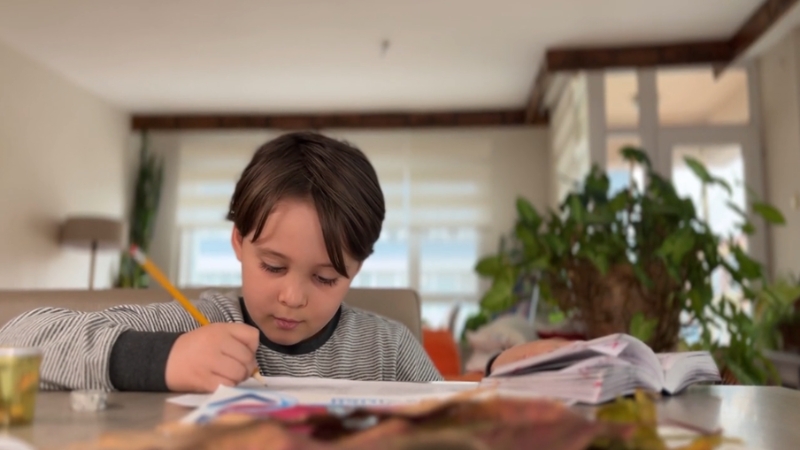
Fractions in Real Life (That Kids Actually Care About)
1. Pizza Time
2. Baking With Fractions
Hands-On and Visual Fraction Fun
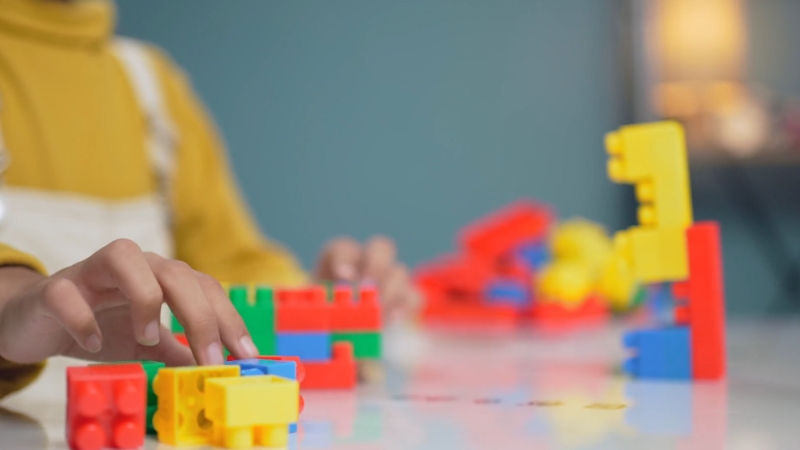
1. Make a Fraction Pizza Craft
2. Lego Fractions
Turn Fractions Into Games
1. Fraction Bingo
2. Match the Fraction
Fractions in Hobbies: Sneaky Learning Wins
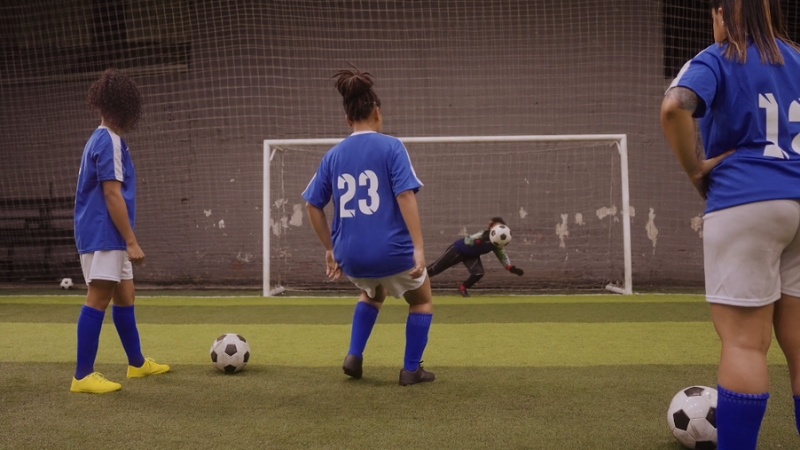
Sports Example
Music
Art
What Kids Should Learn Between Ages 9–11
Skill
Example
Understand fractions as numbers
“1/2 is a number between 0 and 1”
Compare fractions
“Is 3/4 greater than 2/3?”
Find equivalent fractions
“1/2 = 2/4 = 4/8”
Add and subtract fractions
“1/4 + 2/4 = 3/4”
Multiply a whole number by a fraction
“3 × 1/2 = 3/2 or 1 1/2”
Understand fractions in sets
“What is 1/3 of 12 apples?” Answer: 4
Quick Tricks and Tools for Easier Learning

Trick 1: Simplify Fast
Trick 2: Make Denominators the Same
Trick 3: Use Number Lines
Fraction Challenges
Final Words for Parents and Teachers