
If you’re wondering when to start teaching your child numbers, the honest answer is: probably earlier than you think, but more gently than you might expect. Most children start recognizing numbers between 2 and 3 years old, often by pointing them out in books, puzzles, or even on elevator buttons.
By age 4, many kids can count out loud (usually up to 10) and begin to understand what those numbers mean in real-world terms — like how “3 crackers” is different from “5 crackers.” So the ideal age to introduce numbers is around 2 years old — but the key word is introduce, not drill.
Early number exposure is more about play and curiosity than lessons. Kids learn best when they’re interested and when learning is part of their everyday life. As a parent or caregiver, your role isn’t to rush through math facts but to help them notice patterns, connect symbols to meaning, and enjoy numbers as part of the world around them.
Why It Matters to Start Early — But Not Force It
Introducing numbers in early childhood builds more than just future math skills — it supports memory, focus, problem-solving, and overall cognitive development. Children who play with number-based ideas early on — like comparing more vs. less, lining up toys, or matching objects to numbers — tend to build stronger executive function skills later in life.
But here’s the important part: timing and approach matter. Pushing memorization or drilling flashcards too early can lead to frustration or avoidance. That’s why knowing different stages of play development is so helpful. How your child engages with the world — whether they’re still in solitary play or beginning cooperative play — tells you what kind of learning they’re ready for.
For example, a two-year-old in the parallel play stage might enjoy counting blocks beside you without direct interaction, while a four-year-old in cooperative play might be ready to take turns rolling dice in a number game and following basic rules. Kids don’t just grow physically — they grow socially and emotionally through play. From onlooker play (watching others) to associative play (playing near others without shared goals), and eventually to cooperative play (working together toward the same goal), each stage helps prepare them for deeper learning.
The sweet spot is to embed number talk into natural routines. For example:
- “Let’s count your socks – one, two!”
- “You ate three grapes. Want two more?”
- “That’s a number 4 on the house — just like your age!”
This kind of low-stress, playful exposure supports deep learning without the overwhelm.
Age Ranges and Typical Number of Milestones
Here’s a general idea of how number awareness tends to unfold. Keep in mind — every child is different. Some may move faster, others slower, and that’s okay.
| Age Range | Typical Number Skills |
| 12–24 months | Notices shapes and patterns; hears counting in songs |
| 2–3 years | Recognizes a few written numbers (e.g., 1, 2, 3); begins rote counting, sometimes skipping numbers |
| 3–4 years | Counts to 10; starts to match numbers to objects (“one-to-one correspondence”) |
| 4–5 years | Understands basic quantities (e.g., more, less); recognizes numbers up to 20; starts simple math talk (“What’s 2 and 1?”) |
| 5–6 years | Can count to 30 or more; begins understanding math operations like adding and subtracting; understands number order and comparisons |
Common Mistakes Parents Make (And How to Avoid Them)
View this post on Instagram
- Pushing too early or expecting perfection.
Some parents worry if their child isn’t counting by age 2 or writing numbers by age 3. But early math is not about speed. It’s about building understanding. Repeating “1, 2, 3” without knowing what three blocks mean isn’t useful long-term. - Relying only on apps or digital learning.
While educational apps can be helpful, they’re not enough on their own. Real-world experiences — counting buttons, comparing sizes, stacking blocks — are richer and more effective at this age. - Teaching without context.
Kids don’t learn numbers by being told to memorize. They learn when numbers do something: helping them get more ssnacks solve a problem, or win a game. If numbers feel alive, kids remember them.
Everyday Ways to Introduce Numbers
If you’re not sure how to begin, the good news is you’re probably already doing some of it. Numbers are everywhere — and here’s how to gently spotlight them during daily routines:
- At snack time: “You have five apple slices. You ate one — how many now?”
- Going upstairs: Count steps out loud together.
- Sorting toys or laundry: “Let’s find three red blocks,” or “Can you give me two socks?”
- Bath time: Line up rubber ducks and count them, pour from one cup to another.
- Reading books: Choose ones with counting themes — even lift-the-flap number books add fun.
- Cooking together: Measure, scoop, and count ingredients together.
- Car rides: Spot numbers on signs or license plates.
These micro-moments are gold — they’re when children learn that numbers are not just for school, but part of life.
Games That Build Number Sense
You don’t need a fancy curriculum or special tools to help your child build number skills. Some of the most effective learning happens during play — when kids are engaged, curious, and having fun. Simple games can make numbers feel like part of life rather than a chore to memorize. Here are a few easy favorites you can start using today:
Number Treasure Hunts
Hide a few small objects around the room and give your child a clue based on quantity — “Can you find the basket with three blocks in it?” or “Look for the cup that has five crayons.” It turns counting into a mini-adventure.
Card Matching Games
Whether you have number flashcards or just a regular deck of playing cards, you can play matching games that link quantities to written numbers. Ask your child to find the card that matches how many buttons or blocks are on the table.
Dice Games
Roll one or two dice and count the dots together. Older preschoolers can start adding the two numbers. You can make up little games like “First to reach 10” or “Roll a 5 to win a sticker.”
Classic Board Games
Games like Chutes and Ladders or Candy Land are great for helping kids recognize numbers and understand turn-taking, counting spaces, and simple sequences. You’ll be surprised how much number talk happens during these games without any pressure.
Hopscotch with Numbers
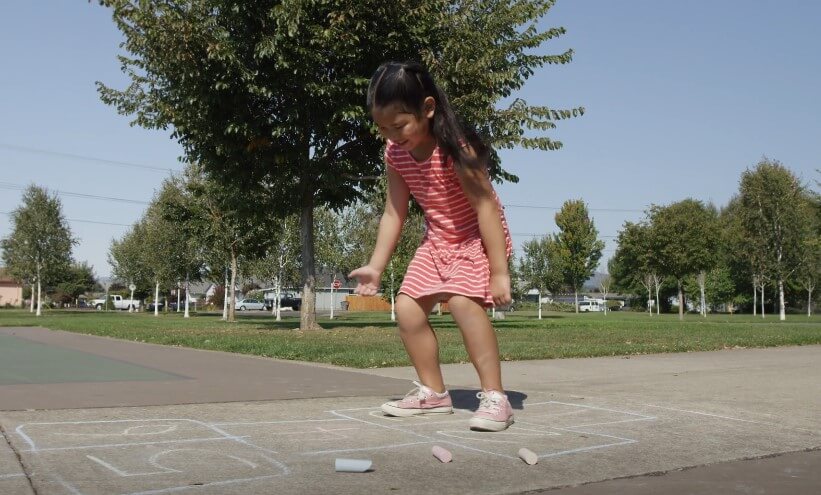
Draw a hopscotch grid outside or use masking tape inside. Add numbers in each square and have your child say the number as they jump. It’s perfect for building number recognition and gross motor skills at the same time.
How to Know When Your Child Is Ready for Numbers
Every child grows at their own pace, but some common signs show your child is open and ready to start engaging with numbers in a more meaningful way. You might notice that they:
- Start asking about amounts or sizes, like “Do I have more crackers than you?”
- Repeat numbers they’ve heard in songs, stories, or from older siblings
- Point out numbers on signs, books, clocks, or doors and ask what they mean.
- Enjoy grouping, sorting, or stacking things, even if it’s just toys or socks.s
- Join in with counting songs like “Five Little Monkeys” or “One, Two, Buckle My Shoe.”
These moments are your child’s way of telling you they’re interested — and when interest is there, learning tends to stick. What matters most is how you respond. If your child says, “One, two, four,” resist the urge to correct too quickly. Instead, encourage them: “Almost! Let’s try that again — one, two… what comes next?”
The goal isn’t to get them counting perfectly by a certain age. It’s to build their confidence, curiosity, and love for learning.
3 Things You Can Try Today
- Count something together.
Find a snack, a stack of blocks, or steps, and count out loud. Keep it fun and simple. - Make a number hunt.
Look for numbers around your home or outside — on doors, clocks, or packages. - Play a number song.
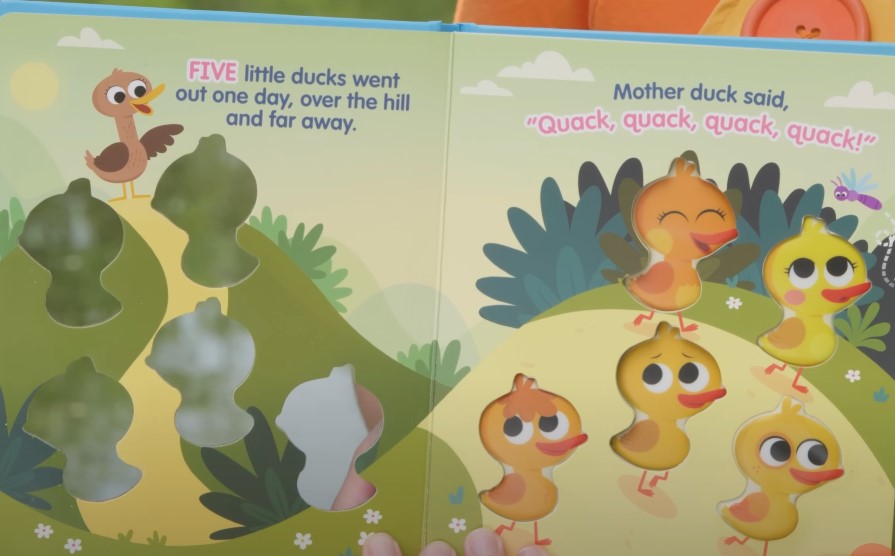
Try “Five Little Ducks” or “One, Two, Buckle My Shoe” — songs that make numbers part of a rhythm and story.
Introducing numbers doesn’t require a plan or pressure. Just a little awareness and a lot of connection go a long way. You’ve got this — and so does your child.