
When kids first start learning about numbers, it doesn’t happen with flashcards or worksheets. It happens when they’re holding a spoon, lining up dinosaurs, or counting how many blueberries fit in their tiny hand.
Teaching counting at home doesn’t require a math degree or a Pinterest-perfect setup—just a bit of awareness, consistency, and the willingness to make learning part of everyday life.
Counting isn’t just reciting numbers in order. It’s grasping that three means a set of three things, or that more socks in the laundry basket mean a bigger number. It’s the quiet but important bridge to all future math—addition, subtraction, even algebra down the road.
And the great news? Home is the perfect place to build that bridge.
Below are seven hands-on, research-backed ways to help kids build counting skills—no whiteboards required.
Whether you’re a stay-at-home parent, a busy working mom, or a grandparent just helping out, these ideas are practical, flexible, and rooted in real developmental research.
1. Make Counting Part of Everyday Life
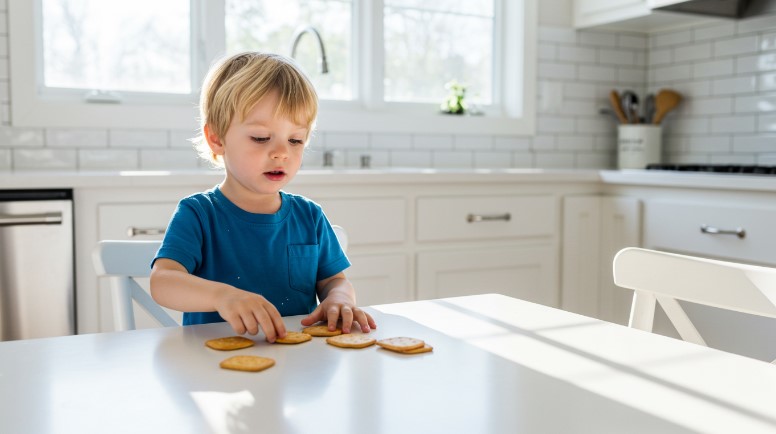
The easiest way to teach counting is to make it feel like second nature. No pressure, no performance—just natural observation.
- Mealtime: Count out crackers, spoonfuls, or slices. Try asking, “How many apple slices do you have left?”
- Laundry: Match and count socks, or tally how many shirts you folded. “We folded five towels—want to count them with me?”
- Car Rides: Spot red cars or stop signs. Turn it into a race: “Who can count five motorcycles first?”
- Cleanup Time: Count toys as you put them away: “One truck, two trucks… wow, we have eight trucks!”
Every time you make a moment count—literally—you reinforce that numbers have purpose. Kids learn not only to count but to notice numbers.
2. Use Manipulatives to Bring Numbers to Life
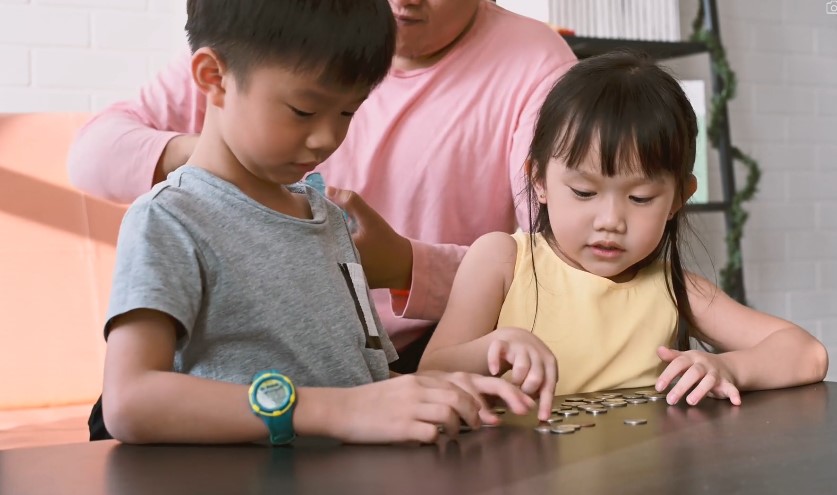
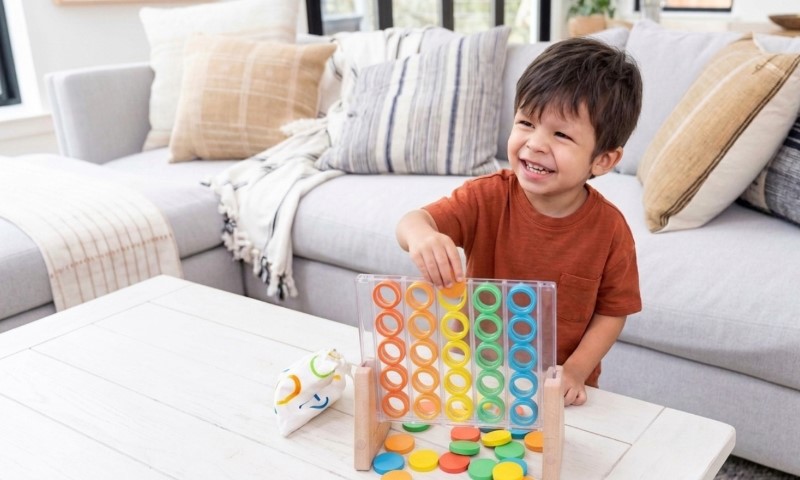
When children can touch and move objects, numbers start to make sense. It’s the difference between knowing the word “four” and actually seeing what four blocks look like lined up on a table.
Try These
- Building Blocks: Stack and count. Sort by color, then count each group.
- Beads: String them onto pipe cleaners. Group them in tens or fives.
- Abacus: Slide one bead at a time while saying numbers out loud.
- Counting Bears or Coins: Create little scenes—“Let’s feed five bears!” or “Can you find three pennies?”
3. Turn Up the Volume with Counting Songs
View this post on Instagram
You know those silly songs that get stuck in your head? They’re gold for teaching numbers. Catchy lyrics, rhythm, and repetition make counting easier to remember—and more fun to practice.
Fan Favorites
- “Five Little Monkeys” – great for counting down and introducing subtraction.
- “Ten in the Bed” – fun for backward counting.
- “One, Two, Buckle My Shoe” – builds early number order with rhymes.
Use fingers to act out the songs, or get even more creative—grab stuffed animals and have them fall off a “bed” one by one. Songs give kids both a visual and an auditory memory anchor. Plus, you’ll catch them singing it to themselves later. That’s learning in action.
4. Games That Teach Without Feeling Like School
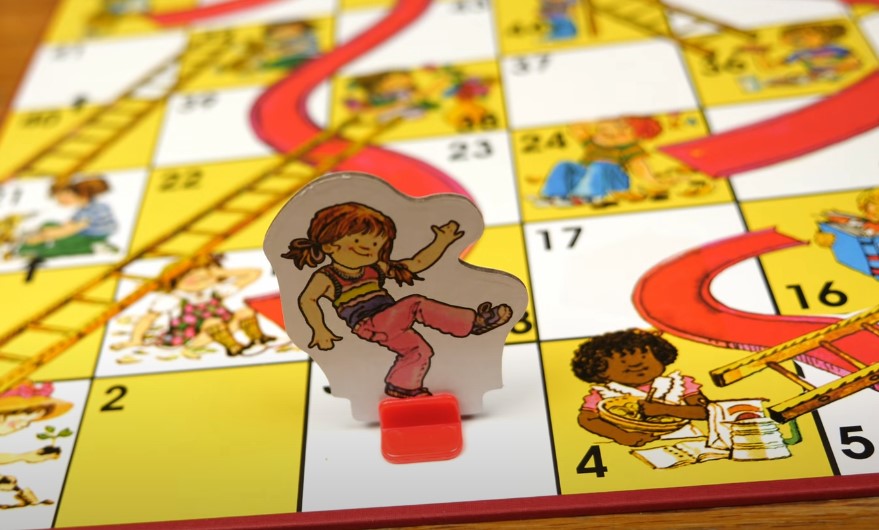
When a child is having fun, the brain lights up. And when that fun includes numbers, math becomes something to look forward to instead of dread.
Some Low-Lift Options
- Board Games: Games like Chutes and Ladders, Hi Ho! Cherry-O, or Candy Land require counting spaces or objects.
- Card Games: Try a number version of “War” or play “Uno” to practice number recognition.
- Puzzle Matching: Match the number 6 to a picture of six ducks or apples.
- Hopscotch: Write numbers with chalk and count each jump.
Digital games from places like PBS Kids or ABCya are another option—especially when screen time’s already happening. Just aim for interactive games where the child is doing the counting, not just watching animations do it for them.
5. Use Real-Life Tasks as Math Practice
Some of the best teaching happens when kids don’t even realize they’re learning.
In the Kitchen
- Count eggs, scoops of flour, or chocolate chips.
- Say things like, “We need five spoonfuls of sugar—can you help me count them?”
In the Garden
- Count seeds as you plant them.
- Ask, “How many flowers are blooming today?”
With Crafts
- “Let’s glue 10 sparkly stars on this page—how many do we have so far?”
While Building
- Use LEGO bricks to create towers of specific numbers.
- Sort by color and count each pile.
6. Teach Number Recognition in Easy, Hands-On Ways
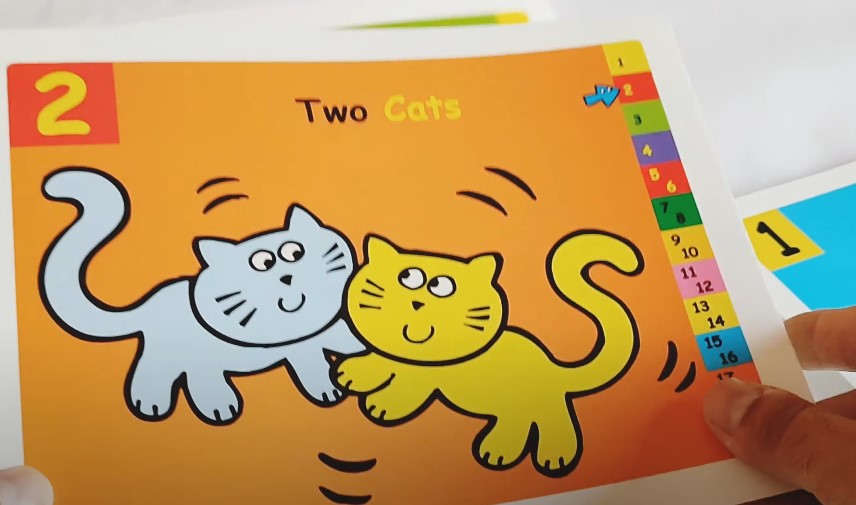
Knowing what a number looks like is just as important as knowing how to count to it. Kids need to recognize digits as symbols with meaning, not just shapes on a page.
Here are a few ways to practice:
- Flashcards: Hold up a number and ask, “Can you say it out loud?”
- Number Hunts: Hide paper numbers around the house. “Find the number 3!” It’s like an indoor Easter egg hunt.
- Tracing Practice: Use sand, salt trays, or shaving cream to trace numbers with fingers.
- Match-Up Games: Match a numeral to a group of items—“Which number goes with four buttons?”
Keep the pressure low. Focus on noticing patterns and having fun with recognition. The goal isn’t to memorize as fast as possible—it’s to build confidence and meaning over time.
7. Stretch Skills with Advanced Counting Tricks
Once your child is confident counting from 1 to 10 (or 20), you can introduce more advanced concepts that sneak in future math skills without going too far ahead.
Try:
- Skip Counting: Count by twos, fives, or tens. Try clapping for each skip—“2, 4, 6, 8…” Kids love movement and rhythm.
- Counting On: Start at a number other than one. “You already have four grapes. Let’s add two more—what comes after four?”
- Backward Counting: Great for introducing subtraction. Count down before a race: “Three, two, one, go!”
Kids who practice these early patterns build the foundation for multiplication and mental math down the road. And because it’s introduced casually, they don’t even realize they’re prepping for future lessons.
How to Keep Counting Practice Fresh and Fun
You don’t need to follow a curriculum to be effective. But it helps to keep a few things in mind:
- Keep things light. If it starts feeling like a test, step back. Kids learn more when they’re relaxed.
- Let them lead. If your child is counting dolls while dressing them, go with it.
- Switch it up. One day it’s blocks, another it’s a baking project. Variety keeps boredom at bay.
- Praise progress. Even if they get the number wrong, acknowledge the effort: “You counted six blocks—great try!”
A 10-Minute Counting Plan Anyone Can Try
Here’s a simple, no-prep activity that blends several of the methods above into one engaging session:
| Step | What to Do | Materials | Why It Works |
| 1. Gather items | Collect 10 small objects—beads, buttons, blocks, whatever you’ve got. | 10 small items | Makes counting tactile and visual |
| 2. Count together | Ask your child to count aloud while placing them into a line or pile. | Same | Reinforces one-to-one correspondence |
| 3. Make groups | Group items into twos or threes. Ask, “How many groups of two can we make?” | Same | Introduces early division and skip counting |
| 4. Add music | Sing a counting song while pointing to the items. | None | Connects music with memory |
| 5. Ask questions | “How many do we have?” “What happens if we add one?” | None | Builds problem-solving and reasoning |
Final Thoughts
Teaching counting at home is less about worksheets and more about moments. It’s in the apple slices, the sock pairs, the “let’s count how many jumps you can do!” It’s fun, it’s flexible, and most importantly—it matters.
Early math skills don’t just predict math success. They predict overall academic success.
So whether you’re stacking blocks before bedtime or singing monkeys off the bed in the morning, know that you’re not just filling time—you’re laying a foundation. One number at a time.