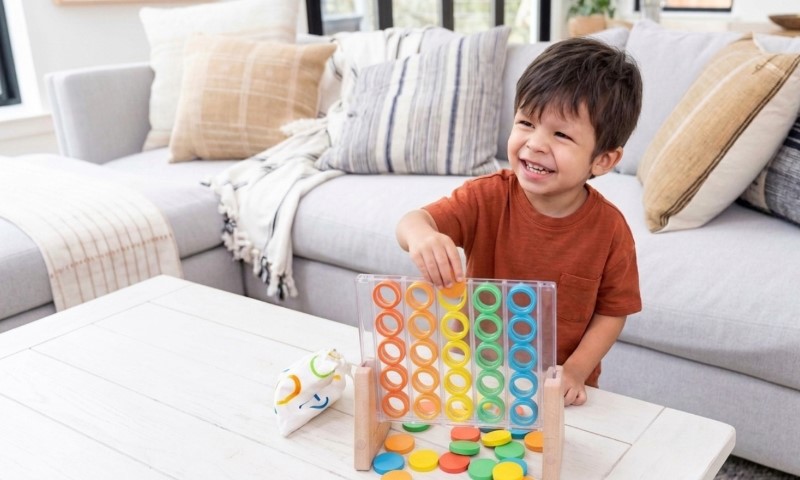

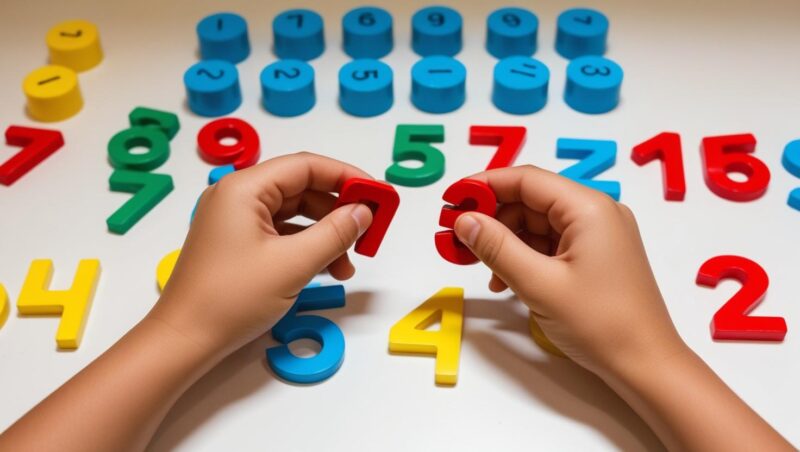
Making math engaging and enjoyable for children can transform their learning experience.
By utilizing interactive methods, practical examples, and creative activities, math becomes less intimidating and more fun.
Below are strategies to inspire a love for math in children.
1. Incorporate Games and Puzzles
Games and puzzles offer a playful way to learn mathematical concepts.
They transform abstract ideas into interactive challenges, making math enjoyable and approachable for children. A wide variety of games can be incorporated into learning routines:
Board Games: Options like “Math Bingo” or “Monopoly” are excellent for teaching:
- Addition and subtraction.
- Financial literacy and budgeting.
- Strategic thinking and planning.
Card Games: Activities such as the “24 Game” or “Set” sharpen:
- Arithmetic skills.
- Pattern recognition.
- Quick decision-making abilities.
Online Math Games: Platforms like Prodigy and Cool Math Games provide:
- Interactive environments where kids solve challenges.
- Immediate feedback to help them learn and improve.
- A rewarding system to maintain engagement.
For kids who enjoy solving problems through games, structured math challenges offer another exciting way to sharpen their logical reasoning and problem-solving skills.
Sieh dir diesen Beitrag auf Instagram an
These activities not only make math fun but also boost problem-solving abilities and reinforce foundational concepts. By incorporating games into learning sessions, kids develop confidence in their mathematical skills.
Interactive Puzzle Apps: Apps like Sudoku or math-based escape rooms allow: Additionally, introducing an AI image generator into math games can enhance creativity. For example, children can design shapes or visualize complex problems through dynamic and colorful imagery. This tool makes the learning process exciting and visually stimulating. Regular game sessions with family or peers create a collaborative environment that fosters a competitive spirit and teamwork. Engaging kids in real-world activities shows how mathematical skills apply directly to their daily lives, making the subject both meaningful and practical. By integrating lessons into common activities, kids not only improve their skills but also develop a deeper appreciation for problem-solving. Ask children to measure ingredients for recipes, teaching fractions and units of measurement. Use timing for recipes to teach concepts like elapsed time and sequencing. Take children on shopping trips and involve them in budgeting for groceries or other purchases. Ask them to calculate discounts during sales, reinforcing percentages and subtraction. Discuss unit prices and comparisons between products to foster critical thinking about value. Include kids in planning trips by asking them to calculate distances between locations or estimate travel times. Teach them to read maps or use GPS tools to measure routes, combining technology with math skills. Create a mock budget for the trip, covering expenses like fuel, food, and accommodations. Assign children tasks like measuring the area of a room to estimate how much paint or flooring is needed. Let them help with assembling furniture, where following instructions and using measurements sharpens analytical skills. There are countless educational apps and platforms tailored to suit different age groups and skill levels. If you’re looking for even more ways to make math exciting through digital tools, check out our guide to engaging math with games and technology! Online platforms also feature adaptive quizzes and lessons that adjust to a child’s abilities, ensuring they are consistently challenged without being overwhelmed. Virtual tutoring services and video-based lessons can complement traditional instruction, offering children personalized assistance whenever they need it. Such tools are especially helpful in fostering independent learning and self-paced growth. Platforms that integrate real-time collaboration also allow kids to compete with peers or work together on problem-solving tasks, combining education with social interaction. Collaborative activities are a fantastic way to engage children in problem-solving while also teaching valuable interpersonal skills. Group settings allow students to work together, exchange ideas, and learn from one another, creating a supportive environment for tackling challenges. Here are some ideas to implement group work effectively: Group projects also instill a sense of accomplishment when challenges are successfully overcome. Students learn to value different perspectives, enhance their communication skills, and develop confidence through collaboration. Infusing humor into lessons is an effective way to make learning enjoyable and engaging. Jokes and riddles can lighten the atmosphere, spark curiosity, and encourage participation. For instance, you could ask, “What do you call a number that can’t sit still? A roamin’ numeral!” These small moments of laughter help reduce anxiety and make concepts feel approachable. Humor isn’t just a distraction—it’s a tool to create positive associations with learning. Creative storytelling goes even further, transforming lessons into adventures that capture attention. By framing concepts within captivating narratives, children can immerse themselves in an imaginative experience while absorbing knowledge. For example: These stories help kids visualize concepts as part of a larger, exciting quest, making abstract ideas easier to grasp. Additionally, integrating humor and storytelling can be done interactively: Physical activities provide an excellent way to integrate movement with learning. They create a dynamic environment where children stay active while solving problems, making learning enjoyable and memorable. Engaging activities like scavenger hunts encourage kids to work through challenges at each stage, using their reasoning and problem-solving abilities to advance. These exercises don’t just stimulate the brain—they also get the body moving, creating a well-rounded educational experience. Such activities go beyond fun—they also encourage critical skills like teamwork, strategic thinking, and quick decision-making. For example: In a math obstacle course, kids must complete calculations or solve riddles before advancing to the next stage. Group-based problem-solving relays teach collaboration, as participants depend on each other to solve tasks quickly. Art projects offer a dynamic and engaging way to introduce mathematical concepts to children while encouraging creativity. By engaging in hands-on activities like crafting geometric designs, children naturally learn about measurement, symmetry, and proportions. These projects not only provide a break from traditional learning methods but also demonstrate the role of math in creative fields. Tools like an AI image generator can elevate these projects, allowing children to visualize intricate designs or patterns that may be challenging to sketch by hand. For instance, students can use the generator to create fractal designs or experiment with unique color palettes for their tessellations. Define specific milestones for children, such as completing a set of problems, mastering multiplication tables, or solving puzzles within a time limit. Having clear objectives ensures they know what to strive for and helps track their progress. Choose incentives that resonate with the child’s interests and age group. Examples include stickers, additional playtime, extra screen time, or small toys. For older kids, rewards could be privileges like choosing a family activity or earning extra minutes on a favorite hobby. By blending creativity, practicality, and interactive methods, math becomes an enjoyable and accessible subject. These strategies encourage children to embrace math with enthusiasm, fostering both confidence and lifelong skills.
Benefits of Group Play:
2. Apply Math to Real-Life Situations

Cooking and Baking
Shopping and Budgeting
Travel Planning
At Home Projects
3. Integrate Technology and Apps
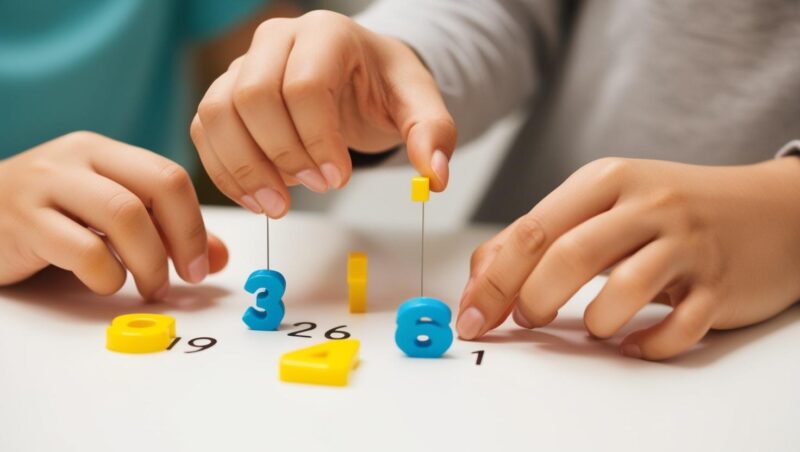
4. Encourage Group Work and Collaboration
5. Use Humor and Creative Storytelling
6. Incorporate Physical Activities
Examples of activities include:
7. Create Art with Math
8. Implement Reward Systems
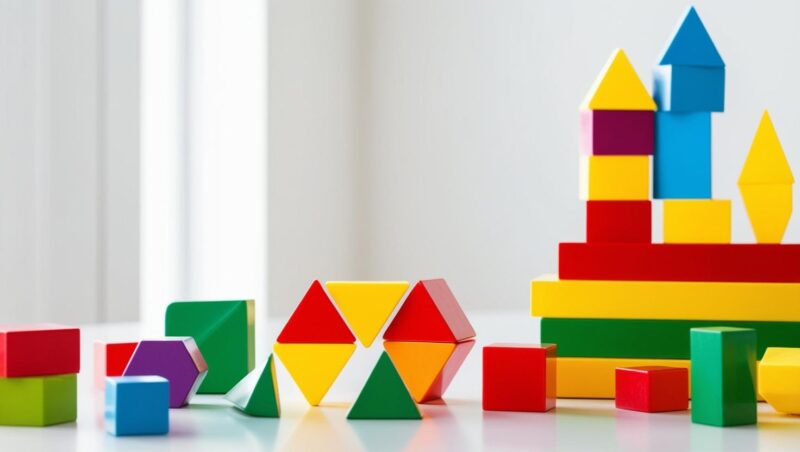
Set Clear Goals
Assign Points or Tokens
Offer Age-Appropriate Rewards
The Bottom Line