
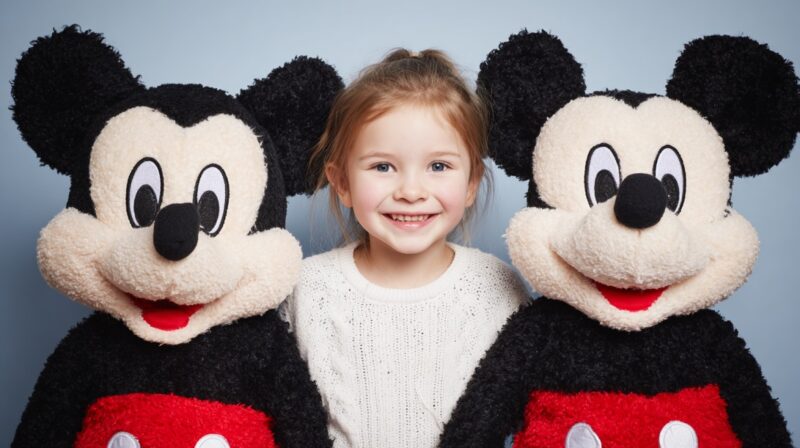
Children often form strong emotional bonds with familiar characters, treating them like trusted friends or admired role models.
Such bonds create a sense of safety that lowers resistance to new ideas and skills.
Favorite figures can act as emotional anchors during learning moments, turning abstract or challenging topics into playful experiences that feel exciting instead of intimidating.
With that in mind, there is absolutely no reason why cartoon characters should not be used for making the learning process more entertaining, right?
Design Elements That Make Characters Instantly Lovable
Strong character design helps children connect without effort.
Visual clarity and emotional readability matter more than complexity.
First impressions often determine whether a child wants to spend time learning with a character.
Simplicity as a Foundation
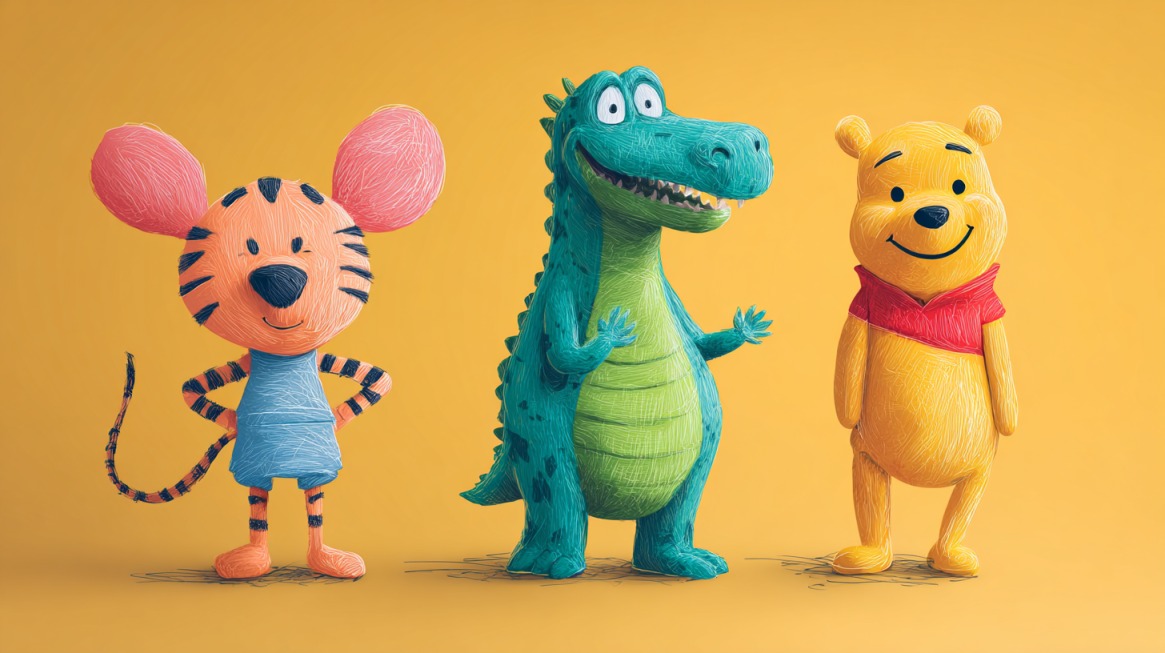
Simple shapes allow immediate recognition and reduce cognitive overload.
Rounded forms feel friendly and predictable, which supports trust.
Designs that stay clear even at a glance help children recall characters quickly during learning activities.
Expressive Faces and Emotions
Large eyes and exaggerated expressions communicate feelings instantly.
Emotional clarity invites connection before any story begins.
Children tend to respond emotionally first, then follow narrative details later.
- Wide eyes that signal openness
- Rounded cheeks that suggest warmth
- Clear mouth shapes that show emotion
Color Psychology
Color choices influence how children feel about a character.
Bright tones often suggest energy and play, while cooler tones suggest calm and safety.
Signature palettes help children recognize characters immediately and recall lessons linked to them.
- Red and yellow for excitement and action
- Blue and green for comfort and guidance
- Pink and purple for softness or imagination
Clear Personality with a Flaw
Defining a small set of traits gives characters consistency.
Adding a flaw makes them relatable and human. Children learn that mistakes do not cancel worth, which builds empathy and resilience.
- One strength that drives action
- One social trait that affects relationships
- One flaw that creates growth moments
Distinctive Details for Imagination
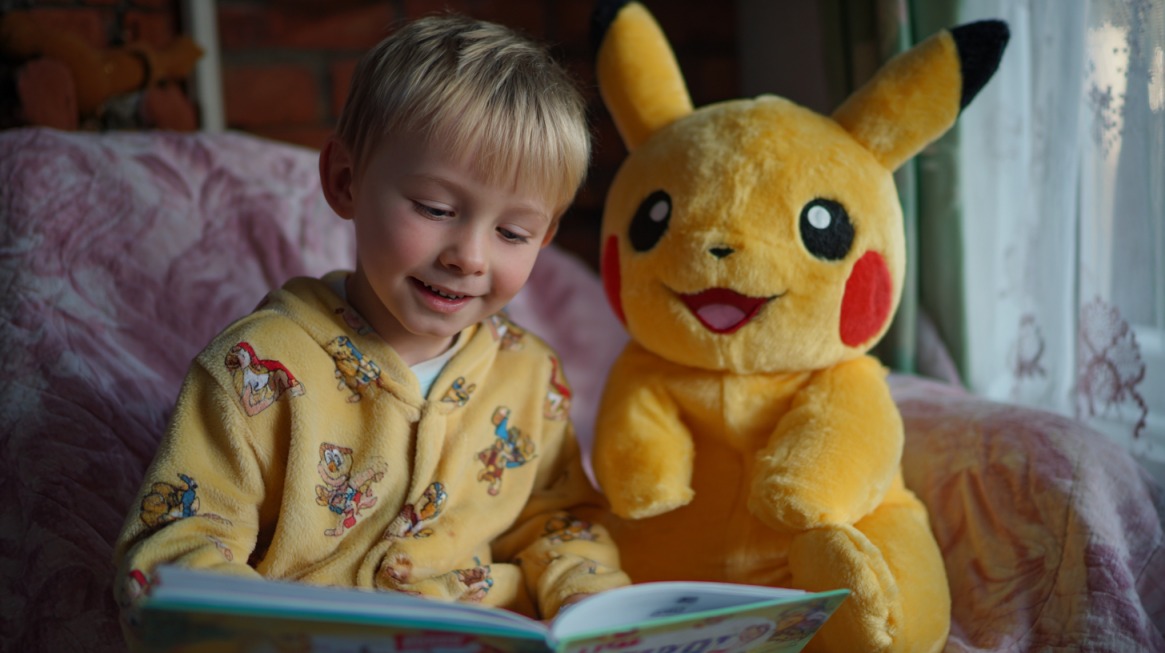
Small visual details spark curiosity and invite storytelling. Accessories, companions, or special abilities give children material for extended play.
Imagination grows when details encourage questions and creativity.
Movement and Physical Expression
Motion brings characters to life. Bouncing steps suggest excitement, while slow movements suggest sadness or tiredness.
Physical expression helps children connect feelings with body awareness.
- Mirror emotions physically
- Stay engaged through visual energy
- Connect stories to sensory experience
Learning Becomes a Story Using Characters as Educational Guides

Stories turn lessons into experiences.
Characters guide children through ideas step by step, making information feel personal and memorable.
Educational storytelling works best when characters face challenges, ask questions, and grow along the way.
- Frames lessons as problems to solve
- Allows children to learn alongside characters
- Connects facts with emotional moments
Animal guides, adventurous heroes, and teamwork-focused groups show children how knowledge applies to life.
Learning stays present longer when children feel part of the story.
Role of Favorite Characters in Social and Emotional Development
Values feel more approachable when demonstrated through characters children admire.
Watching courage, honesty, or patience play out in stories gives children examples they want to follow.
Emotional distance allows kids to process fear or excitement without feeling overwhelmed.

- Pretend play that reenacts story conflicts
- Language development during roleplay
- Confidence built through character imitation
Familiar figures also support transitions like starting school by providing emotional continuity and comfort.
Focusing Learning Around Children’s Interests Using Characters
Personal interests create natural motivation. Lessons tied to favorite characters feel relevant and exciting.
- Interest-based learning can include
- Physics ideas taught through superhero movement
- Math challenges inspired by game worlds
- Literacy practice through pretend businesses
- Science storytelling sparked by a collection of puppies Blastoise
Adults support best by joining in play gently. Sitting beside a child and adding ideas keeps curiosity alive without turning play into pressure.
Why Characters Matter in Learning
Learning feels easier and more inviting when guided by familiar faces.
Characters give abstract ideas a personality, which lowers anxiety and raises curiosity.
Emotional safety created by trusted figures allows children to stay open to new concepts without feeling pressure or fear.

Emotional Connections
Characters offer comfort during uncertainty, create laughter during tense moments, and open space for imagination to thrive.
Emotional bonds encourage children to stay engaged even when topics feel challenging.
Observing how a character reacts to frustration, success, or disappointment gives children models they can copy during play and daily life.
Emotional learning happens indirectly, which feels safer and more natural at early ages.
- Reduced anxiety during unfamiliar learning tasks
- Increased willingness to try again after mistakes
- Stronger emotional regulation through imitation
Better Memory and Retention
Information tied to a recognizable character becomes easier to remember because emotion strengthens memory formation.
Visual traits, voice patterns, and repeated catchphrases create mental hooks that help ideas stick.
Lessons presented through stories guided by familiar figures tend to resurface during play long after formal learning ends.
- Faster recall of facts linked to a character
- Improved long-term retention through repetition
- Stronger association between emotion and concept
Imagination and Identity

Children naturally step into the roles of characters they admire.
Acting brave like a hero or kind like a helper allows kids to experiment with personal values in a low-risk setting. Identity exploration through pretend play supports confidence and self-expression.
Storytelling with characters permits children to imagine who they might become.
- Copying speech patterns or problem-solving styles
- Assigning character traits to themselves during play
- Using characters to act out social situations
Visual Literacy and Nonverbal Skills
Facial expressions, posture, and movement often communicate more than words.
Characters with expressive designs teach children how to read emotions quickly and accurately.
Observing a slumped posture or a wide smile helps children connect body language with feelings.
Social awareness grows naturally when kids watch characters react physically to situations.
- Recognizing emotional states in others
- Interpreting intent through gestures
- Responding appropriately during social play
Interactive Tools Bringing Characters into Active Learning
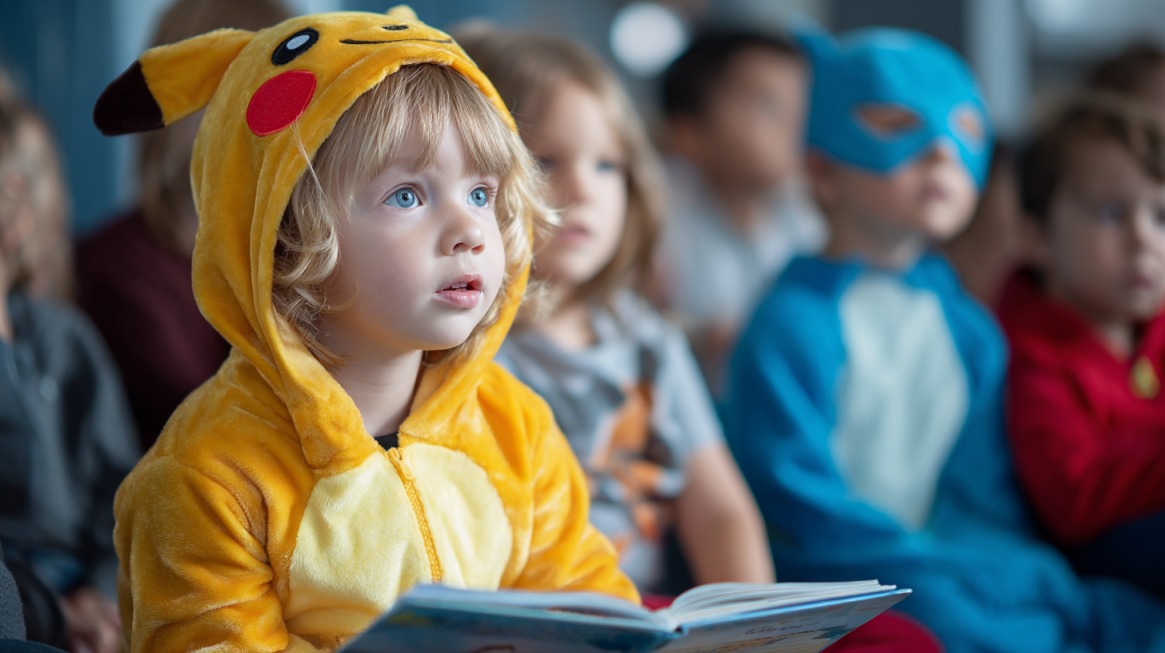
Active participation builds stronger emotional and cognitive connections than passive watching.
Children learn best when hands, voice, and imagination work together. Interactive tools turn characters into learning partners rather than background entertainment.
Hands-on and digital activities give children control over the learning experience.
Creating, modifying, and directing characters encourages ownership, which increases motivation and focus.
Emotional investment grows when children feel responsible for a character’s actions or outcomes.
Creation plays a major role in memory formation. Making something personal requires decision-making, problem-solving, and emotional input.
Concepts attached to self-created characters tend to stay accessible longer because children remember how they felt while building or performing.
Several approaches consistently support active engagement and long-term recall.
- Designing original characters on paper using traits, outfits, and expressions tied to learning goals
- Acting out lessons with puppets to practice social skills, language, or cause and effect
- Animating short stories with beginner-friendly tools to reinforce sequencing and logic
Emotional expression during these activities adds another layer of learning. Giving a character a voice helps children externalize thoughts and feelings.
Acting out frustration, excitement, or success allows children to rehearse emotional responses in a safe setting.
Summary
Characters function as emotional, cognitive, and social bridges for young learners.
Intentional use of favorite figures turns lessons into playful experiences that feel personal and inviting.
Emotional connection fuels curiosity and confidence. When a child grows attached to a character, love for learning often follows naturally.